
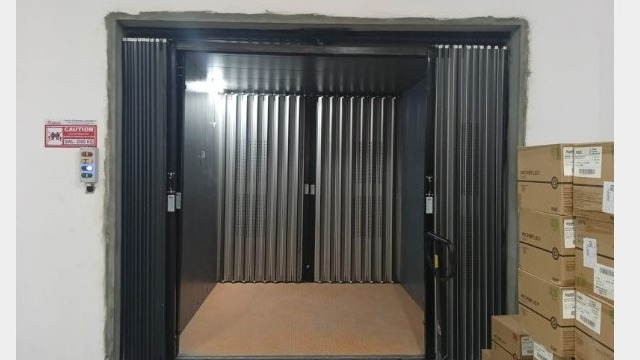
Vertical movement is most useful when it creates a clear connection between two levels without introducing additional handling bottlenecks.
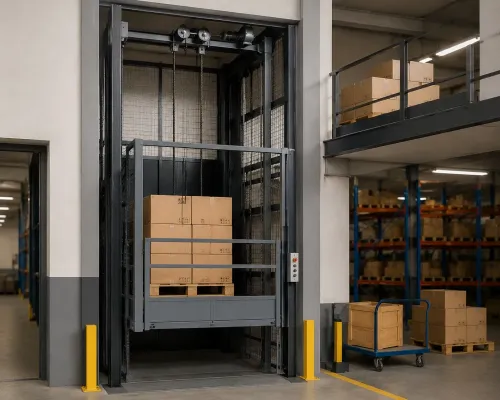
A Goods Lift can provide dedicated vertical movement for materials where horizontal equipment alone cannot connect storage, production or dispatch areas.
Planning should begin with the material journey rather than the equipment specification. Where does the load originate? How does it reach the lifting point? How is it loaded, transferred and removed at the destination?
These questions help establish practical requirements such as capacity, platform dimensions and lifting height. They can also expose access limitations that may otherwise be missed during procurement.
Frequency matters too. An occasional transfer between levels has a different operational profile from a repeated movement that forms part of a daily production or storage cycle.
Load dimensions should be assessed alongside weight. A lift can have sufficient rated capacity while still being unsuitable if the platform does not accommodate the actual goods or loading method.
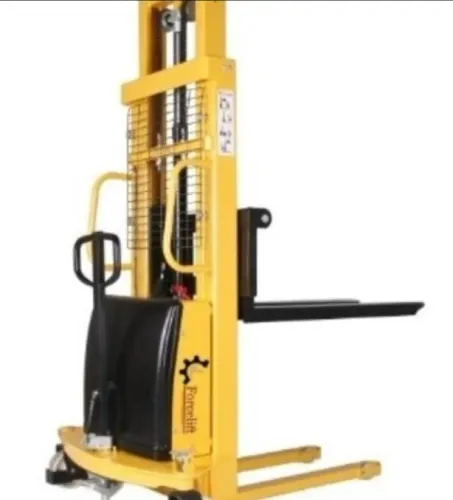
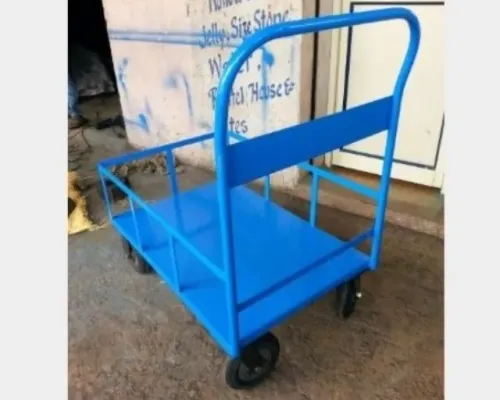
Another consideration is the equipment used before and after the vertical transfer. A smooth lift operation can still create a workflow delay if pallets, trolleys or other handling aids cannot approach or leave the platform efficiently.
Mapping recurring material routes before selecting equipment provides a stronger foundation for decision-making.
For businesses planning vertical material movement, Forcelift Material Movements can discuss application requirements for facilities across Hyderabad.