
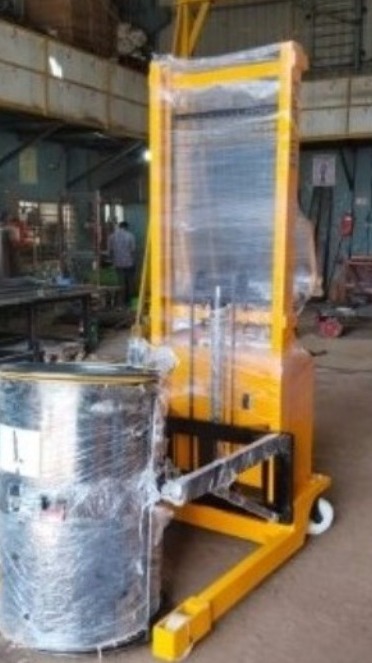
Drums present a specialised handling challenge because their cylindrical shape, dimensions and weight distribution differ from conventional palletised loads.
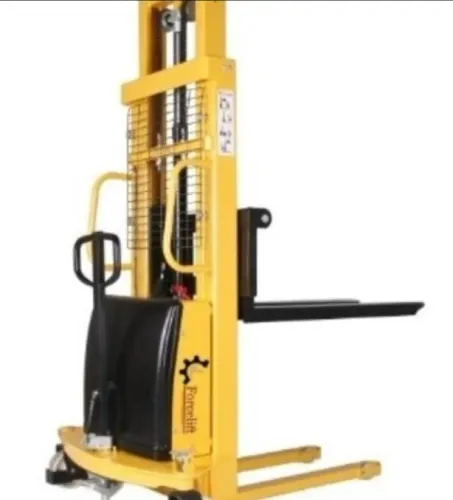
A Drum Stacker should therefore be evaluated around the specific drum-handling process. The first step is to establish drum dimensions, typical weight and the position from which they need to be collected.
Next, determine what the equipment actually needs to accomplish. The requirement could involve lifting from floor level, relocating drums, positioning them at a working height or combining several of these movements.
Available operating space can significantly affect suitability. Approach direction, turning room and the final placement position should be considered before procurement.
Handling frequency also matters. Occasional drum movement may have different equipment requirements from repetitive industrial handling where operator workload becomes a larger consideration.
A useful assessment is to document one complete drum movement from starting position to final placement. This identifies every physical step and highlights where specialised equipment can provide the greatest practical benefit.
The equipment should then be assessed against that real task rather than selected from generic handling specifications.
This approach can also help businesses avoid choosing a solution that addresses lifting but leaves positioning or access difficulties unresolved.
For companies reviewing specialised drum-handling needs, Forcelift Material Movements can help examine application requirements for Hyderabad plants.