
Adding power to a handling process does not always mean replacing every manual movement. In some workflows, the greatest improvement may come from assisting only the most demanding part of the task.
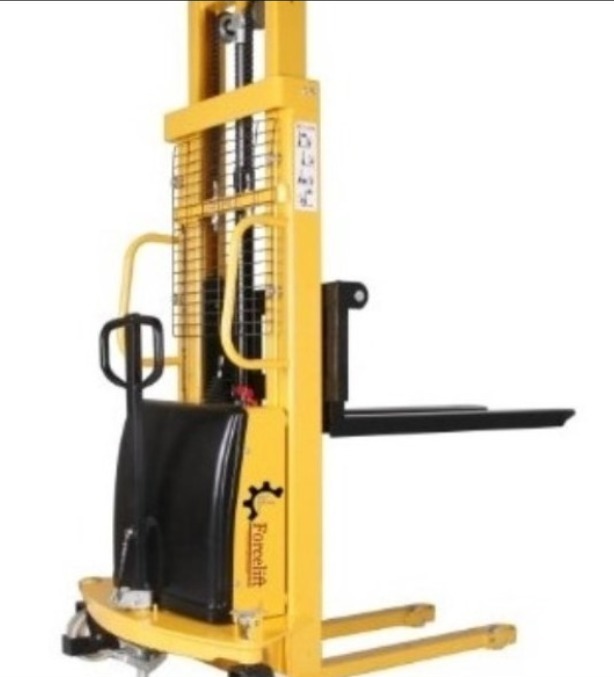
A Semi-Electric Stacker combines powered lifting with manually controlled travel. This makes it relevant where repeated elevation creates operator effort while travel distances remain relatively manageable.
The first question should be where the physical workload actually occurs. If lifting is frequent but horizontal movement is limited, powered elevation may address the main challenge.
Load weight, required lift height and pallet dimensions remain fundamental selection factors. Floor conditions, aisle space and manoeuvrability then determine whether the equipment fits the working environment.
Battery operation should also be considered as part of the workflow. Charging arrangements need to align with usage patterns so that equipment availability is maintained during required handling periods.
This approach prevents technology from becoming the starting point of procurement. Instead, the operational problem comes first and the level of powered assistance follows from it.
A business that needs frequent lifting but limited travel may have different requirements from one where both movement and elevation are intensive.
Understanding this distinction can help buyers choose equipment according to actual workload rather than simply selecting the highest level of automation available.
For businesses assessing the right balance of manual and powered handling, Forcelift Material Movements can discuss warehouse requirements in Hyderabad.