
A lifting system can meet a required capacity and still be unsuitable if the loading, unloading and access arrangements do not fit the facility's workflow.
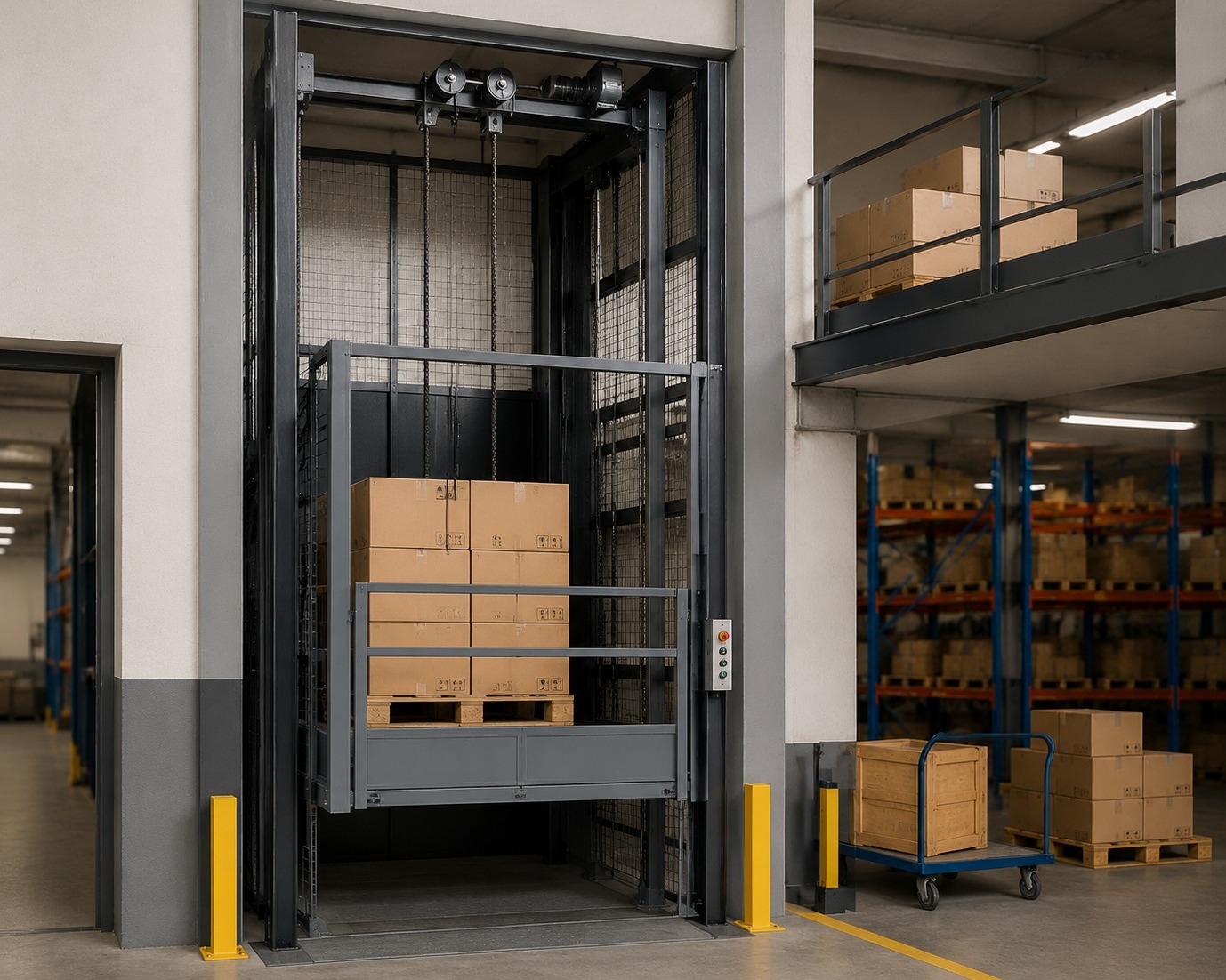
A Rope Hoist Goods Lift uses a rope-hoist mechanism to move materials vertically. Its application should be assessed around the entire transfer process rather than the lifting action alone.
Start with the goods. Weight, dimensions, shape and loading method influence the practical platform requirement. Required travel height and operating frequency then provide additional selection criteria.
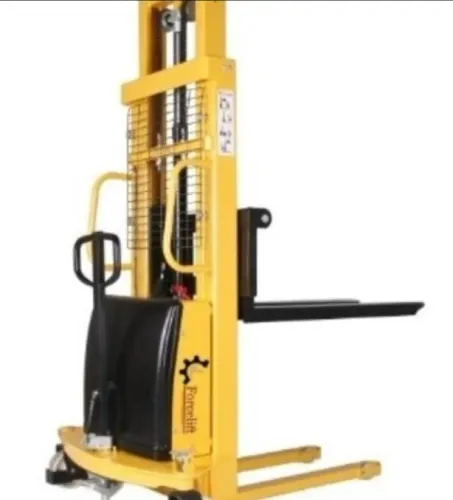
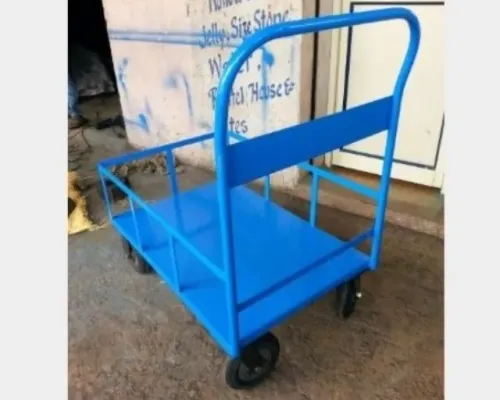
The entry and exit points deserve equal attention. Materials may arrive using a trolley or other handling equipment and may require another movement method after reaching the destination. Poor alignment between these stages can create additional manual transfers.
Frequency also changes the procurement perspective. An occasional vertical movement does not necessarily place the same operational demands as a route that repeats throughout the working day.
Facility layout can influence where the lifting point should be located. The equipment should support the material route instead of becoming an isolated stage within it.
A useful planning exercise is to trace one complete goods journey and note every transfer. Each handover can then be evaluated for accessibility, effort and workflow continuity.
This application-first approach provides a more useful basis for selection than comparing lifting capacity alone.
For businesses evaluating vertical goods movement, Forcelift Material Movements can help review the application requirements across Hyderabad.