
When pallet lifting becomes repetitive, businesses need a practical balance between operator effort, equipment capability, space and day-to-day handling frequency.
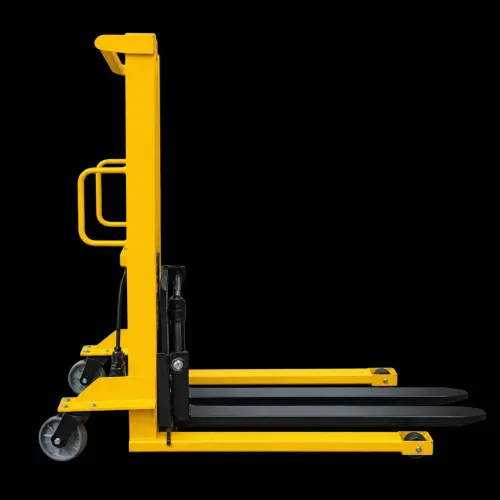
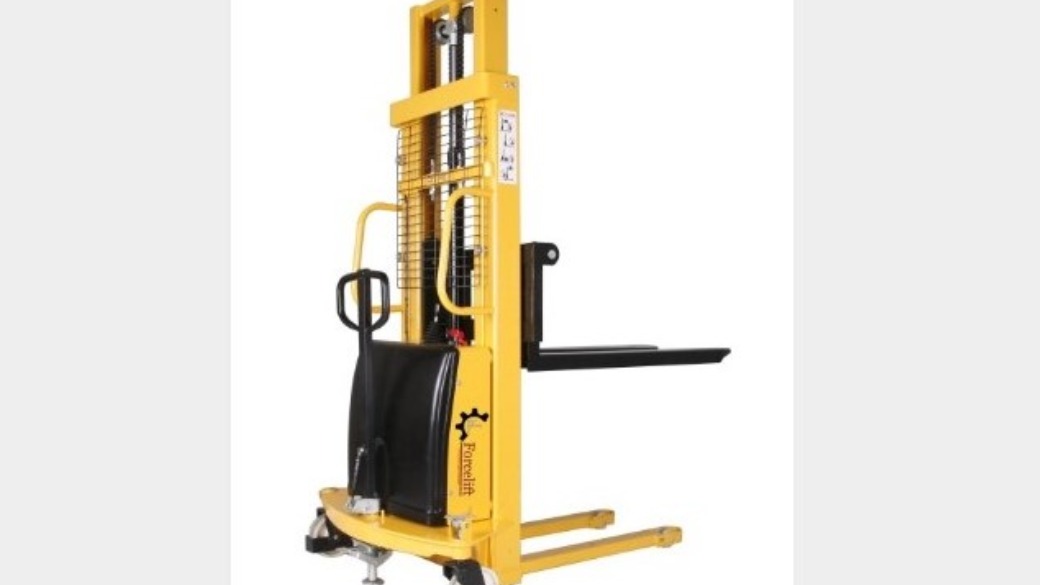
A Semi-Electric stacker can occupy a useful middle ground between fully manual and more extensively powered material-handling equipment. Its value depends on whether powered lifting addresses the actual operational bottleneck.
The first question for procurement teams should be how often loads are raised and lowered. If operators repeatedly perform lifting throughout a shift, powered assistance may reduce repetitive effort. If lifting is occasional, a simpler solution may remain more appropriate.
Travel requirements should be assessed separately. A business may need powered assistance primarily for elevation while still handling short horizontal movements manually. Understanding this distinction prevents unnecessary equipment selection.
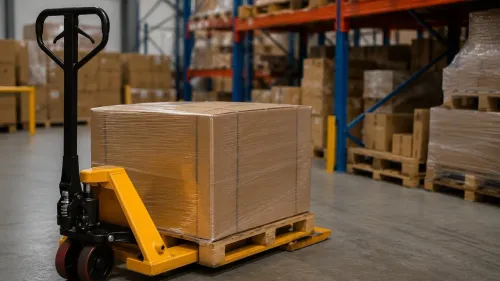
Hubballi's cargo environment adds another consideration. Hubballi Airport has operational cargo facilities, with official information identifying cargo-handling equipment such as hydraulic pallet trucks and four-wheel trolleys. This illustrates why equipment decisions should consider how lifting connects with other handling stages rather than treating each machine independently.
Before procurement, review pallet dimensions, typical load distribution, lifting height, operating frequency, available clearance and the intended movement route. Charging and maintenance requirements should also be considered where relevant.
The right choice is not automatically the most powered option. It is the one that removes a genuine handling constraint while remaining practical for the workload.
For businesses evaluating assisted pallet lifting across Hubballi, Forcelift Material Movements can help assess the application before an equipment decision is made.