
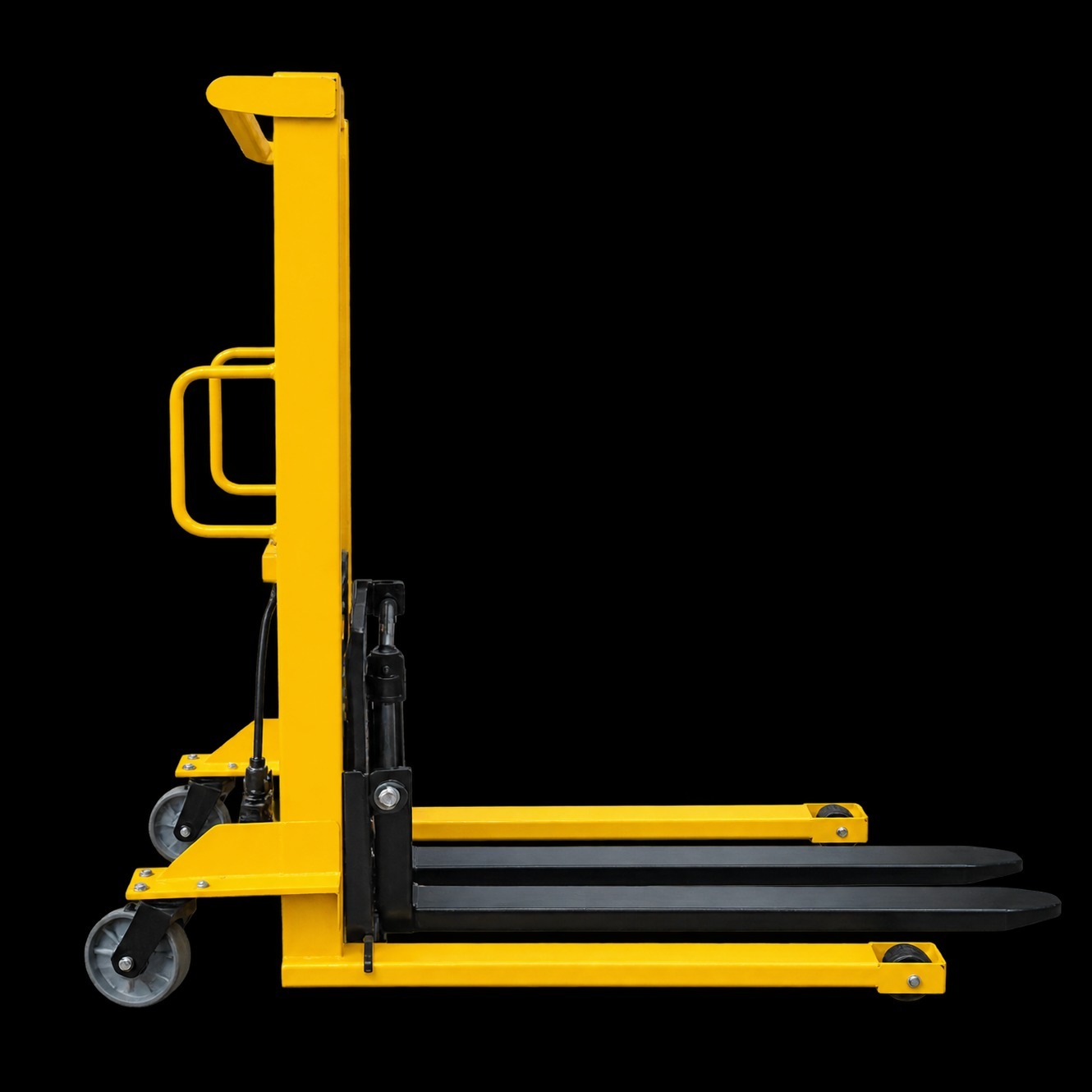
When pallet handling becomes repetitive, pedestrian-operated electric equipment can provide powered assistance without necessarily requiring a larger ride-on solution.
A Walkie type electric stacker combines operator-controlled movement with powered lifting. Its suitability depends on the workload, aisle configuration, pallet dimensions, lifting height and frequency of operation.
The main procurement question is where powered assistance provides the greatest benefit. If lifting is repetitive but travel distances are relatively contained, this category may deserve consideration. If long-distance horizontal transportation dominates the workflow, a different solution may be more appropriate.
Aisle width and turning space should be reviewed before selection. The equipment must work comfortably within the actual storage arrangement rather than merely meeting a theoretical specification.
Charging requirements and operating continuity should also form part of the assessment. Businesses need to understand how equipment use fits within the working cycle and what happens when the unit requires charging or routine attention.
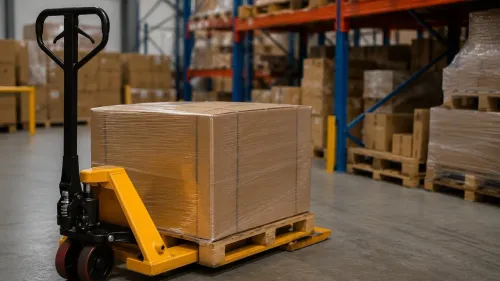
Hubballi's cargo-handling environment demonstrates the importance of matching equipment to specific tasks. Different equipment categories serve pallet movement, staging and transfer functions, so powered stacking should be evaluated within the wider process.
The goal should therefore be controlled improvement rather than maximum automation. Powered assistance has the greatest value when it addresses a clearly identified repetitive task.
For businesses considering pedestrian-powered pallet handling across Hubballi, Forcelift Material Movements can help assess whether the equipment fits the workflow and operating environment.