
A lifting platform can solve a specific elevation requirement, but the equipment should be selected according to the task rather than simply the desired working height.
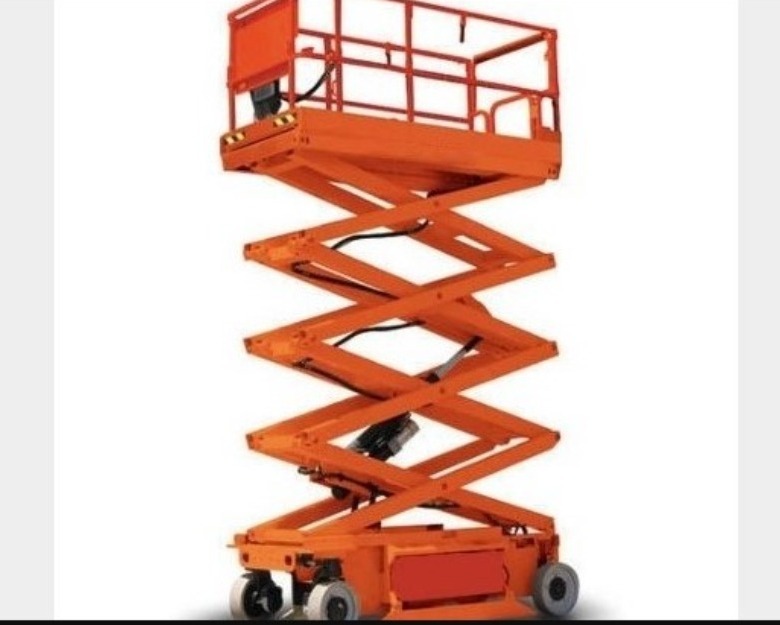
A Scissor lift raises a platform vertically through a linked support mechanism. Its suitability depends on the intended application, platform requirements, working height, load characteristics and operating environment.
One important distinction is between elevated access and routine goods transportation. These are different requirements and should not automatically be addressed with the same equipment category.
For material-handling applications, businesses should identify whether the task involves positioning goods at a working level, supporting elevated handling or transferring materials as part of a larger process. The surrounding workflow determines which capabilities matter.
Working space is another consideration. Platform dimensions, floor conditions, access routes and clearance can affect practical usability even when nominal lifting characteristics appear suitable.
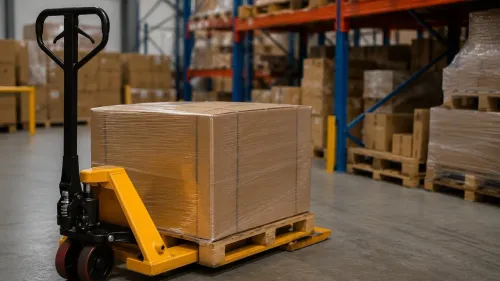
Hubballi's cargo environment shows why equipment roles need to remain distinct. Airport cargo operations use hydraulic pallet trucks and other handling equipment for specific transfer tasks, while elevated applications may require a different equipment approach.
Procurement teams should therefore avoid selecting equipment based on capacity or height alone. The intended job, movement pattern and operating environment should determine the specification.
This application-first approach reduces the risk of acquiring equipment that technically performs the task but does not integrate well with everyday operations.
For organisations evaluating elevated handling applications in Hubballi, Forcelift Material Movements can help compare the task with the appropriate equipment category.