
Loading efficiency often depends on what happens at the boundary between a vehicle and the facility. A poor transition can slow movement even when the rest of the warehouse process is well organised.
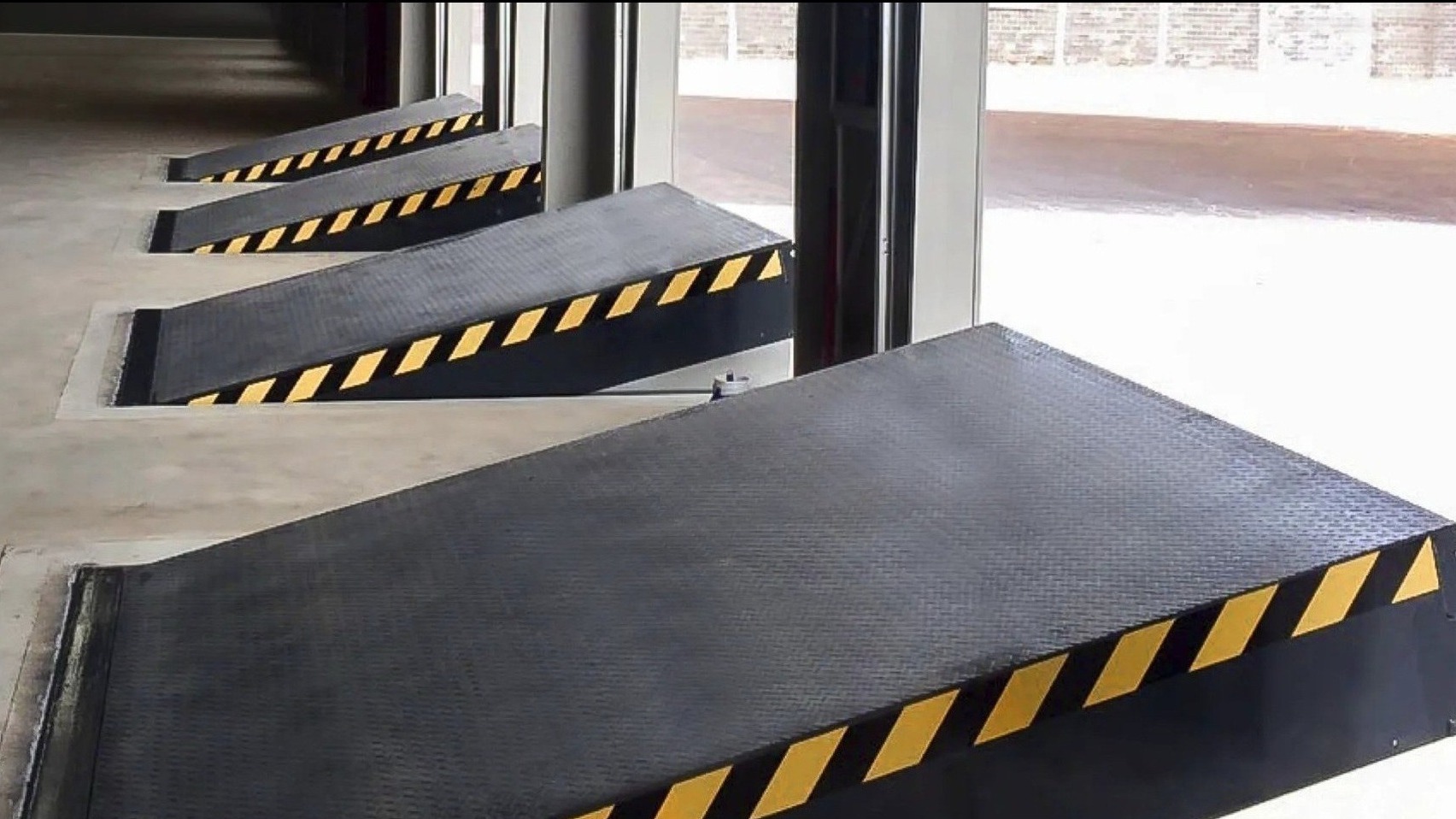
A Dock leveller helps bridge the height difference between a loading dock and a vehicle deck, allowing compatible handling equipment to move across the transition more effectively.
Selection should begin with the loading environment. Dock height, vehicle variations, loading frequency, pallet characteristics and the equipment used inside the facility all influence the appropriate configuration.
The relationship between the dock and internal handling equipment deserves particular attention. A transition should allow the selected equipment to approach, cross and exit without creating unnecessary manoeuvring difficulties.
The type of goods also matters. Stable palletised loads may create different requirements from irregular, fragile or unusually shaped materials.
Tirupati's combination of commercial, industrial and agricultural activity means loading requirements can differ widely between facilities. A distribution operation may prioritise rapid vehicle turnaround, while a smaller warehouse may place greater emphasis on flexibility and space utilisation.
Maintenance access should be considered before installation as well. Loading equipment experiences repeated movement and vehicle interaction, so practical inspection and servicing arrangements are part of long-term usability.
The best loading solution is one that supports the entire sequence from vehicle arrival to internal staging.
For organisations reviewing loading-area efficiency across Tirupati, Forcelift Material Movements can help assess the dock transition alongside the wider handling workflow.