
Choosing pallet equipment should begin with the actual workload rather than assuming every storage operation needs powered machinery. Manual solutions can remain useful when lifting frequency and travel demands are manageable.
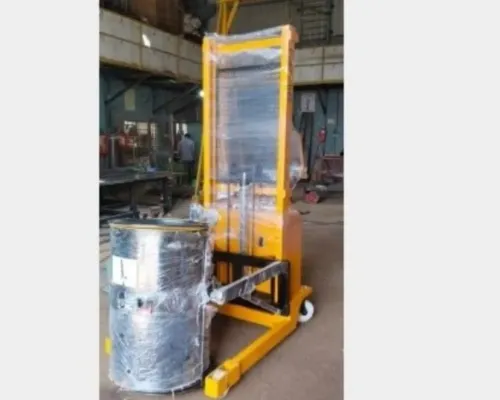
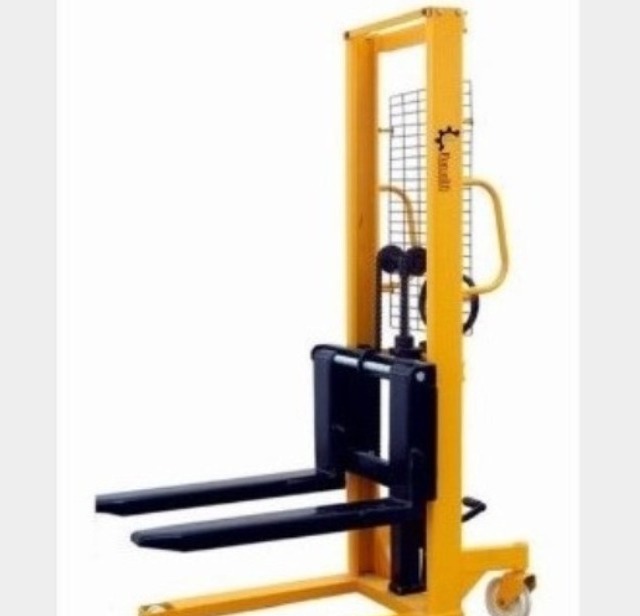
A Manual stacker is designed for suitable palletised loads that need controlled lifting and positioning. Its suitability depends on load weight, lifting height, pallet dimensions, floor conditions and the amount of operator effort involved.
Procurement teams should first observe the complete movement cycle. Where does the pallet arrive? How far does it travel? How frequently must it be lifted? Does the operator need to position it at different storage levels?
These questions help determine whether manual operation is practical or whether repetitive handling creates a stronger case for powered assistance.
Storage layout also matters. Narrow aisles, restricted turning space and closely positioned racks can influence the usefulness of any stacking equipment. The equipment should fit the working environment rather than force the workflow to change unnecessarily.
Tirupati has a diverse commercial environment spanning manufacturing, storage, agriculture-related activity and services. That means handling requirements can vary considerably between facilities, making application-based equipment selection more important than choosing solely by product category.
The most sensible procurement approach is to identify the specific movement that needs improvement and match the equipment to that task.
For businesses assessing practical pallet-stacking requirements across Tirupati, Forcelift Material Movements can help evaluate the workload and handling environment.