
Not every material movement requires lifting equipment. For suitable loads, an appropriately configured trolley can simplify repeated transfers between nearby work areas.
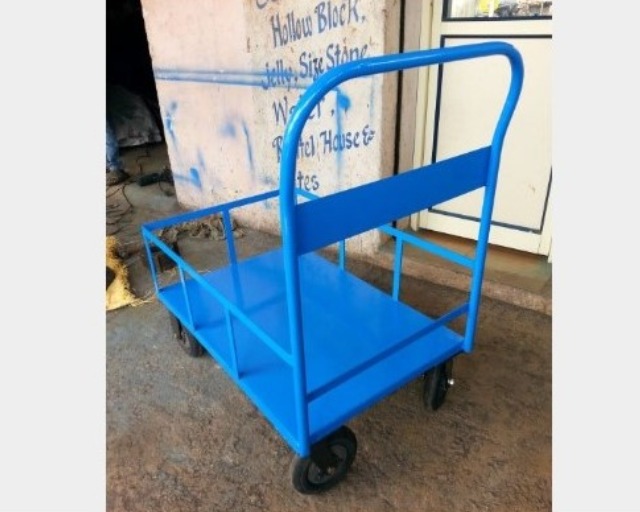
A Platform trolley provides a flat load surface for moving compatible materials over short distances. Its effectiveness depends on load size, weight distribution, manoeuvrability and route conditions.
The first procurement question should be what the trolley will carry. Cartons, containers and irregular items can create different platform requirements even when their individual weights appear manageable.
The route should then be examined. Narrow aisles, frequent turns, thresholds and congested staging areas can have more impact on usability than nominal capacity alone.
Nellore's storage infrastructure provides useful local context. Government information identifies godowns and warehouse facilities within the district, while its industrial infrastructure includes factory sites and other commercial facilities.
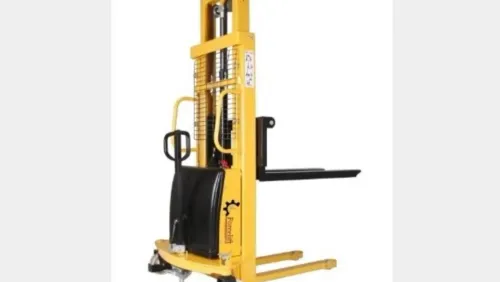
This makes workflow-oriented equipment selection important. A trolley should support the specific movement it is intended to perform rather than being expected to replace pallet trucks, stackers or lifting equipment.
Frequency also matters. Occasional movement and repeated daily transfers create different demands on equipment and operators.
The best decision therefore starts with the material route and identifies the repetitive movement that needs improvement.
For businesses seeking practical short-distance movement across Nellore, Forcelift Material Movements can help match trolley characteristics to the intended application.