
Storage equipment should be selected according to how materials are actually lifted and positioned, rather than by capacity alone.
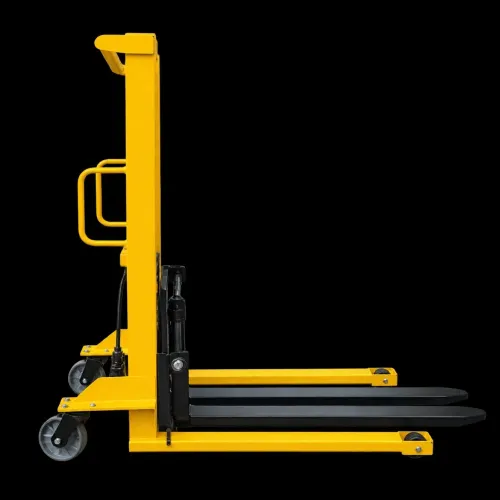
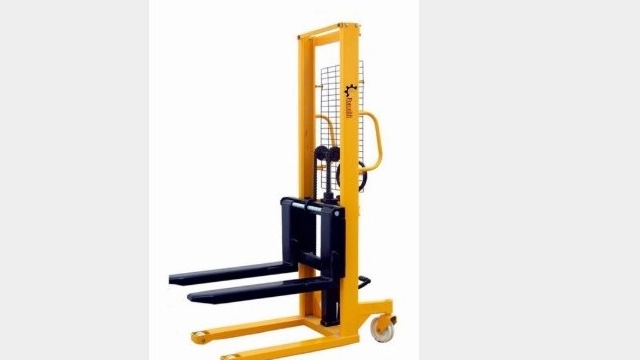
A Manual Stacker can be considered where pallets require vertical positioning but the surrounding travel requirements remain relatively controlled.
Start by defining the storage activity. Typical load weight, pallet dimensions, required lifting height and distance to the storage position provide the foundation for evaluation.
The physical environment then becomes important. Rack arrangement, aisle width, turning room and floor conditions can affect whether equipment can approach the load and position it comfortably.
Frequency should also be considered. Equipment used occasionally may have a very different operational role from equipment involved in repeated stacking throughout a working day.
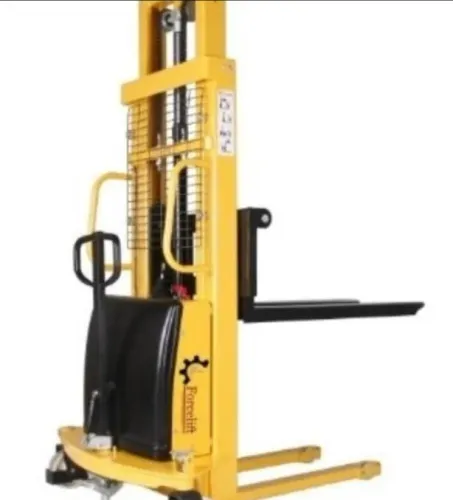
Another useful distinction is between lifting and travel. If elevation is the main requirement and movement is limited, manual operation may be worth considering. If both travel and lifting are demanding, a more powered solution may deserve evaluation.
Mysuru and Nanjangud contain established industrial areas serving manufacturing and other industrial activities, making storage requirements relevant across different facility layouts.
Observing several real storage cycles before procurement can reveal whether manual lifting is sufficient or whether additional assistance would provide meaningful value.
For businesses assessing storage-handling requirements, Forcelift Material Movements can help evaluate suitable options in Mysuru.