
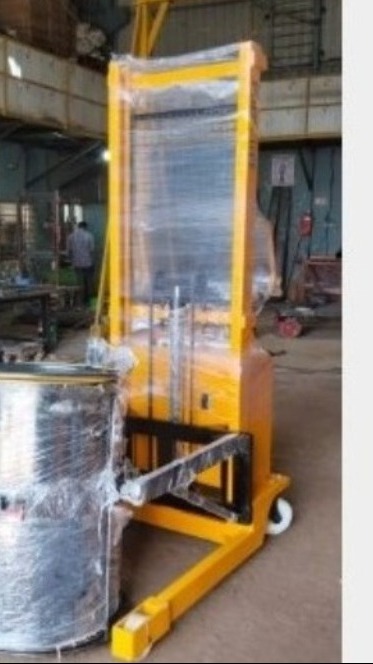
Drum handling presents a different material-flow challenge because cylindrical containers require suitable engagement, positioning and control during movement. Equipment selection should therefore begin with the actual drum-handling sequence.
A Drum stacker can be considered where drums need to be lifted, positioned or stacked as part of an internal handling process. The appropriate solution depends on drum dimensions, load weight, lifting height, operating frequency and storage arrangement.
The first procurement question should be where the handling difficulty occurs. If drums simply need short-distance movement, one type of solution may be suitable. If they need elevated positioning or stacking, the equipment requirements become different.
Mangalore's industrial and port-linked environment includes storage of products such as edible oils, chemicals and other bulk materials, according to New Mangalore Port Authority information.This makes disciplined handling considerations particularly relevant for businesses dealing with suitable drum-based materials, without assuming a particular company's application.
Load stability should remain central to selection. The equipment must be compatible with the drum and intended handling method, while operators should understand its rated operating limitations.
Facility layout also influences value. Adequate approach space, turning clearance and the final positioning point should be considered before procurement.
A useful evaluation therefore connects the equipment to the entire drum journey: pickup, movement, elevation and placement. This provides a clearer basis for judging whether the proposed solution actually improves workflow.
For businesses assessing specialised drum-handling needs in Mangalore, Forcelift Material Movements can help evaluate equipment suitability against the operating requirement.