
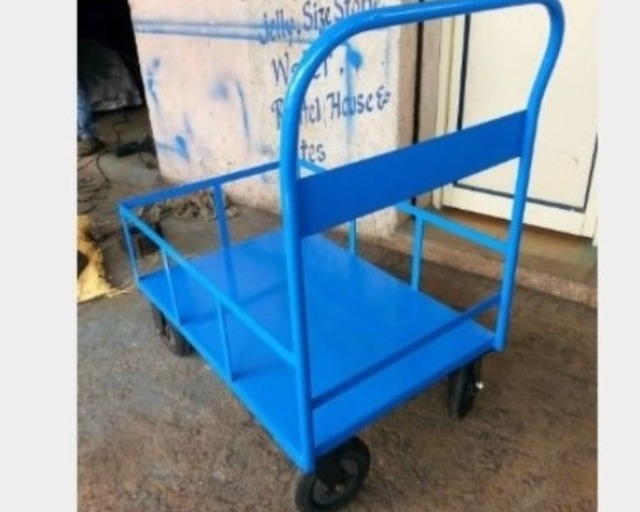
The cheapest material-handling option is not necessarily the most economical over its working life. Businesses should consider how frequently equipment is used, what it carries and how much effort it saves.
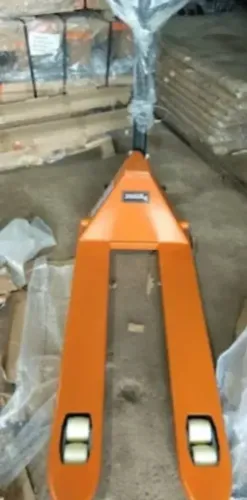
A Platform trolley can provide a practical solution for moving suitable materials across short distances. Its value depends on whether the platform configuration, load characteristics and manoeuvrability match the intended application.
Cost evaluation should go beyond the initial purchase price. Procurement teams can consider expected usage, maintenance requirements, operator effort, durability and the consequences of workflow interruptions. A low-cost option that performs poorly under actual workload can create additional operational expense.
For Kochi facilities, layout is another important value factor. A trolley that moves easily through available routes can contribute more practical value than equipment that is technically capable but difficult to manoeuvre in the working area.
The type of material also matters. Loose items, containers and boxed goods may require different handling arrangements from palletised loads. Stability during movement should be considered alongside platform dimensions and load distribution.
A sensible evaluation therefore asks three questions: What needs to move? How frequently does it move? What currently slows the movement down? The answers provide a clearer basis for comparing equipment costs and benefits.
Long-term value comes from solving the right problem reliably rather than simply choosing the lowest purchase price. Procurement decisions should reflect the full operational context.
For businesses comparing practical material-movement options in Kochi, Forcelift Material Movements can help assess value against the intended workload.