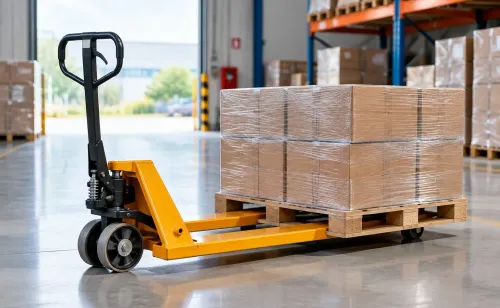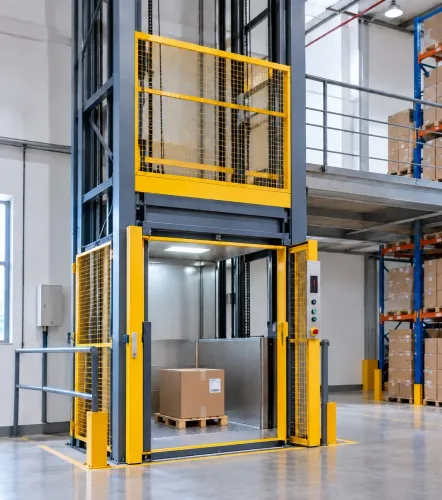

There are applications where manual lifting creates unnecessary effort, while a fully powered solution may provide more capability than the workflow actually requires. That is where balanced equipment selection becomes important.
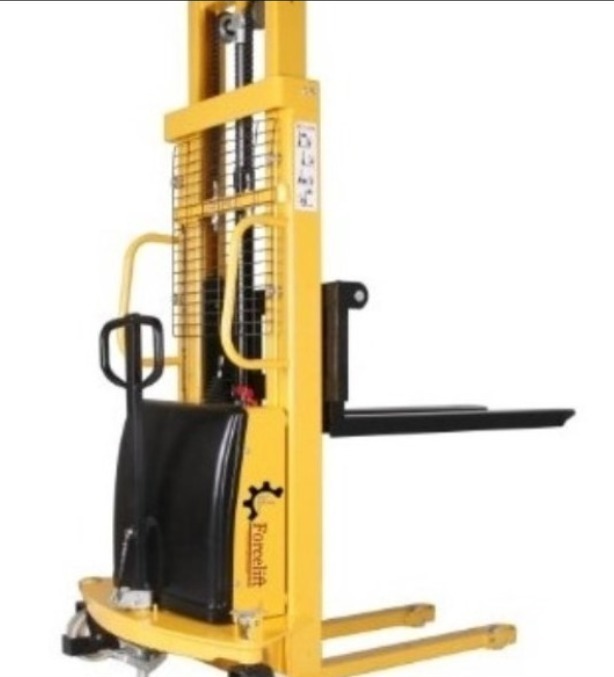
A Semi-Electric stacker can provide powered lifting while retaining a relatively straightforward operating approach. Its suitability depends on lifting frequency, pallet characteristics, required height, travel requirements and facility layout.
Procurement teams should first identify the actual bottleneck. If repeated elevation is the problem while horizontal travel remains limited, powered lifting may address the main issue without requiring a more extensive handling system.
Storage clearance and approach space should also be reviewed. Equipment needs to operate comfortably around the pallet positions where it will be used.
Hosur's industrial environment makes this distinction particularly useful. Current SIPCOT information identifies both general-engineering and future-mobility industrial development associated with Hosur. Different manufacturing and logistics workflows can therefore have very different handling requirements.
Operating frequency should influence the decision as well. Equipment used occasionally can be evaluated differently from equipment expected to support repetitive pallet movement throughout a working shift.
The right level of power is the one that removes a genuine operational constraint while remaining practical for the facility.
For procurement teams comparing assisted pallet lifting across Hosur, Forcelift Material Movements can help evaluate whether a semi-powered approach fits the workflow.