
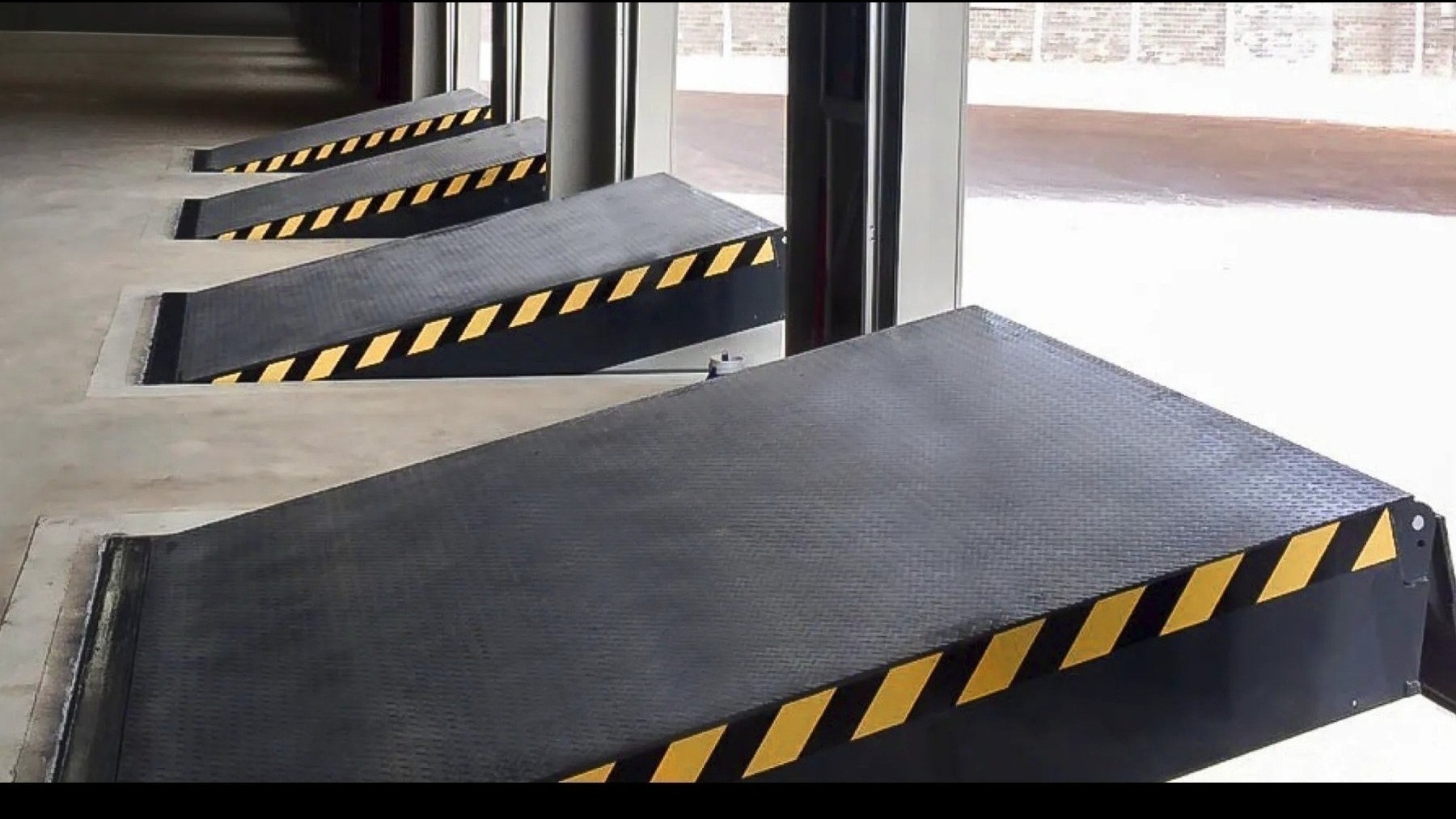
The transition between a vehicle and warehouse floor can influence loading efficiency, especially when pallets or handling equipment must cross the interface repeatedly.
A Dock leveller bridges the height difference between a loading dock and a vehicle deck, creating a suitable transition for compatible material-handling equipment.
The correct selection begins with the loading environment. Dock height, vehicle variations, loading frequency, internal equipment and the type of goods being transferred should all be considered together.
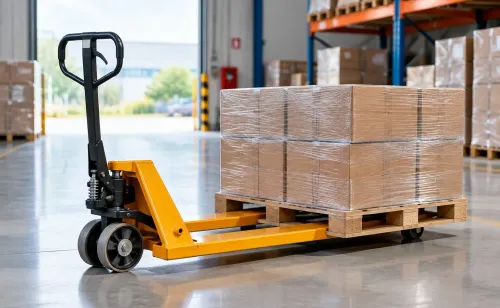
Interaction with other equipment is particularly important. A dock arrangement may appear suitable independently but become inconvenient if the handling equipment cannot approach or cross the transition comfortably.
Hosur's industrial setting creates a useful context for this type of planning. SIPCOT's current industrial infrastructure includes Hosur Industrial Park, while separate Hosur Phase-IV development includes general engineering and future-mobility applications.
These different operations can have different vehicle-loading patterns. A high-frequency production facility may have different requirements from a warehouse receiving occasional consignments.
Maintenance and inspection access should also be considered because loading areas experience repeated vehicle and equipment interaction.
The strongest loading arrangement is one that supports the entire movement chain from vehicle arrival through unloading, staging and internal transfer. Procurement should therefore evaluate the dock as part of the workflow rather than as an isolated installation.
For businesses improving loading-area movement across Hosur, Forcelift Material Movements can help assess the transition and related handling requirements.