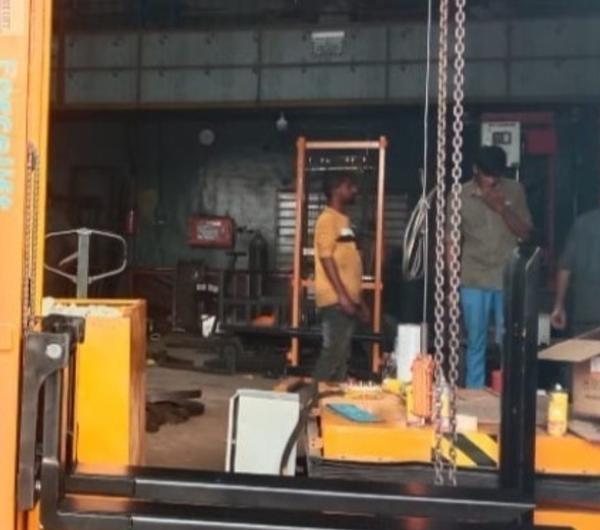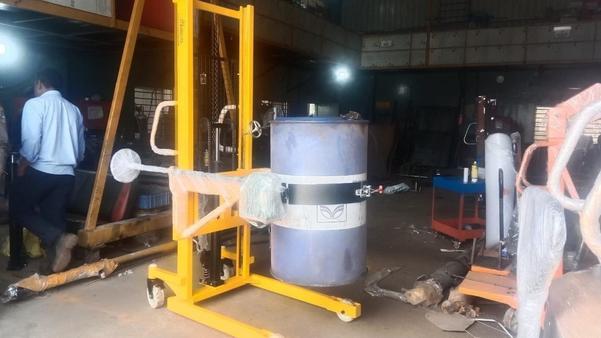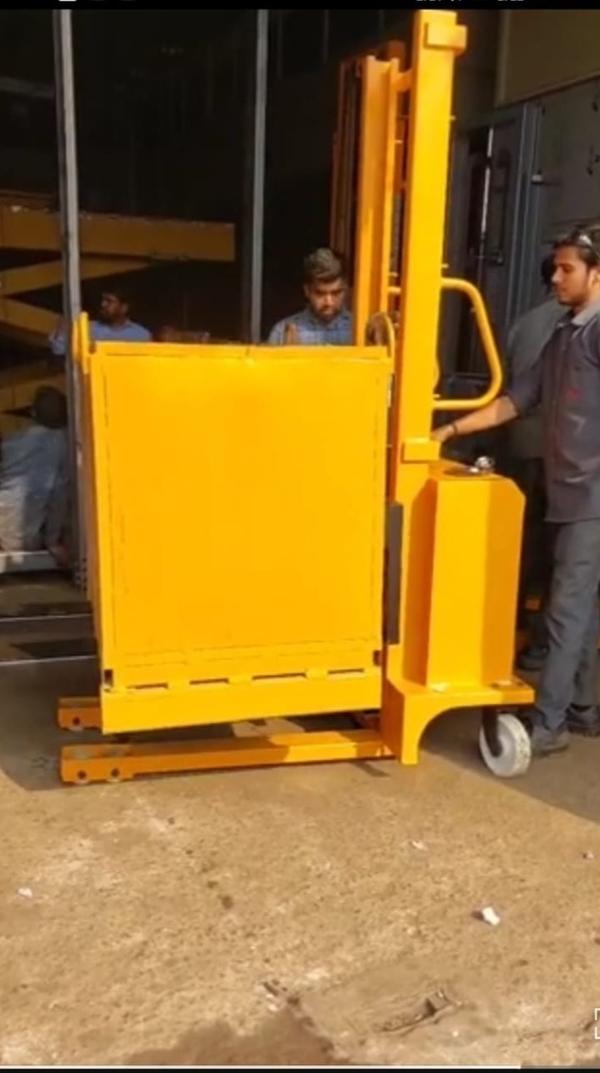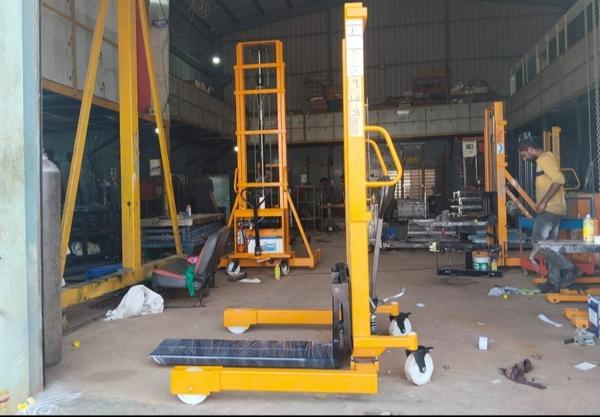

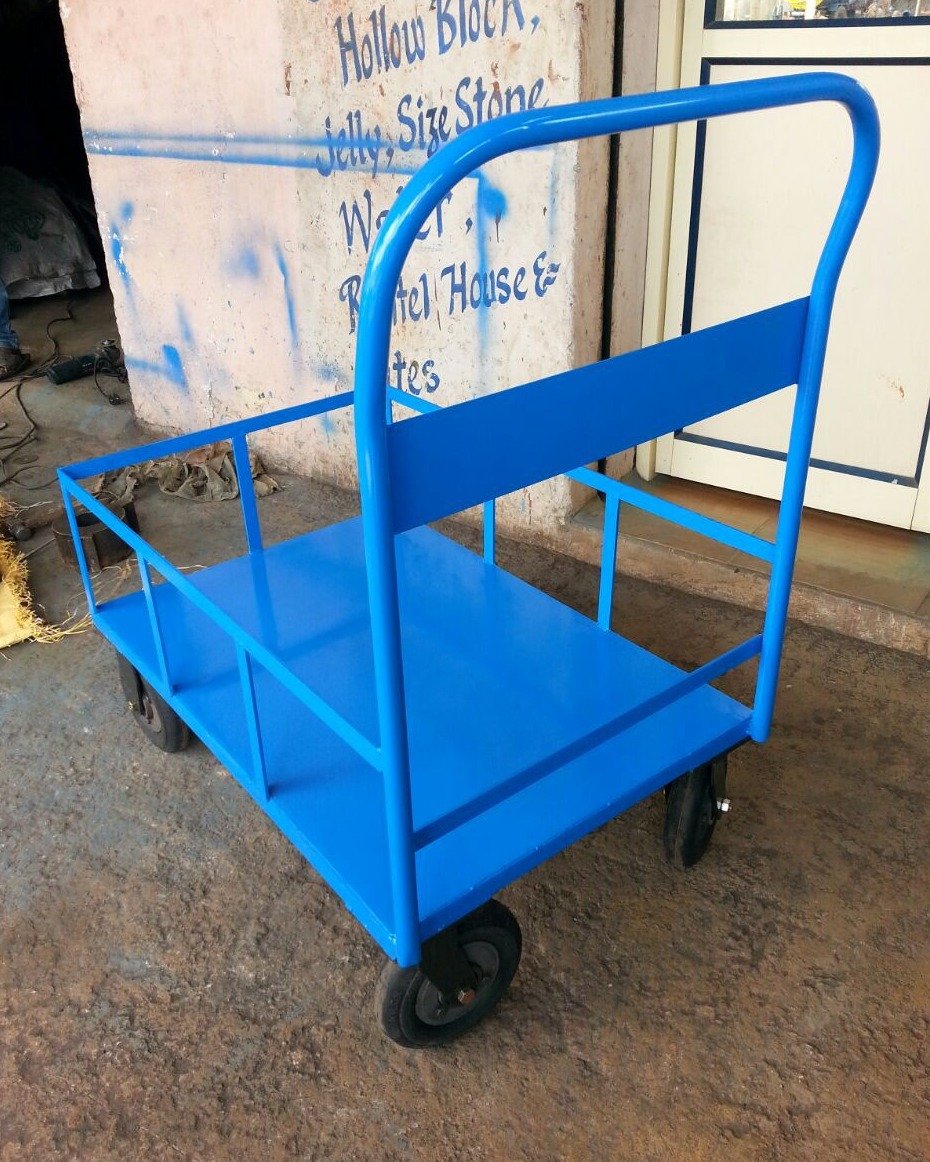
Platform trolleys typically feature a flat, sturdy platform made from high-quality steel or reinforced materials, capable of supporting substantial loads. The platform surface is often coated or textured to prevent slipping, ensuring that goods remain stable during movement. Depending on application requirements, platform trolleys are available in different sizes, load capacities, and configurations to handle light, medium, or heavy-duty tasks.
Mobility is a key advantage of a platform trolley. It is equipped with smooth-rolling caster wheels, usually made from rubber, polyurethane, or nylon, which allow easy maneuverability even in confined spaces. Two fixed and two swivel wheels, or all swivel casters with brakes, provide better control, directional stability, and safety during loading and unloading. Ergonomically designed handles ensure comfortable pushing and pulling, minimizing operator fatigue.
Platform trolleys are valued for their durability and low maintenance. Their robust construction allows them to withstand daily wear and tear in demanding environments. Many models are designed to be corrosion-resistant, making them suitable for both indoor and outdoor use. Some platform trolleys also offer foldable handles or stackable designs, enabling easy storage and space optimization when not in use.
By reducing the need for manual lifting, platform trolleys help improve workplace safety and productivity. They streamline material movement, reduce the risk of injuries, and enhance operational efficiency. Whether used for transporting cartons, machinery parts, finished goods, or supplies, platform trolleys remain an essential tool for effective material handling across multiple industries.