
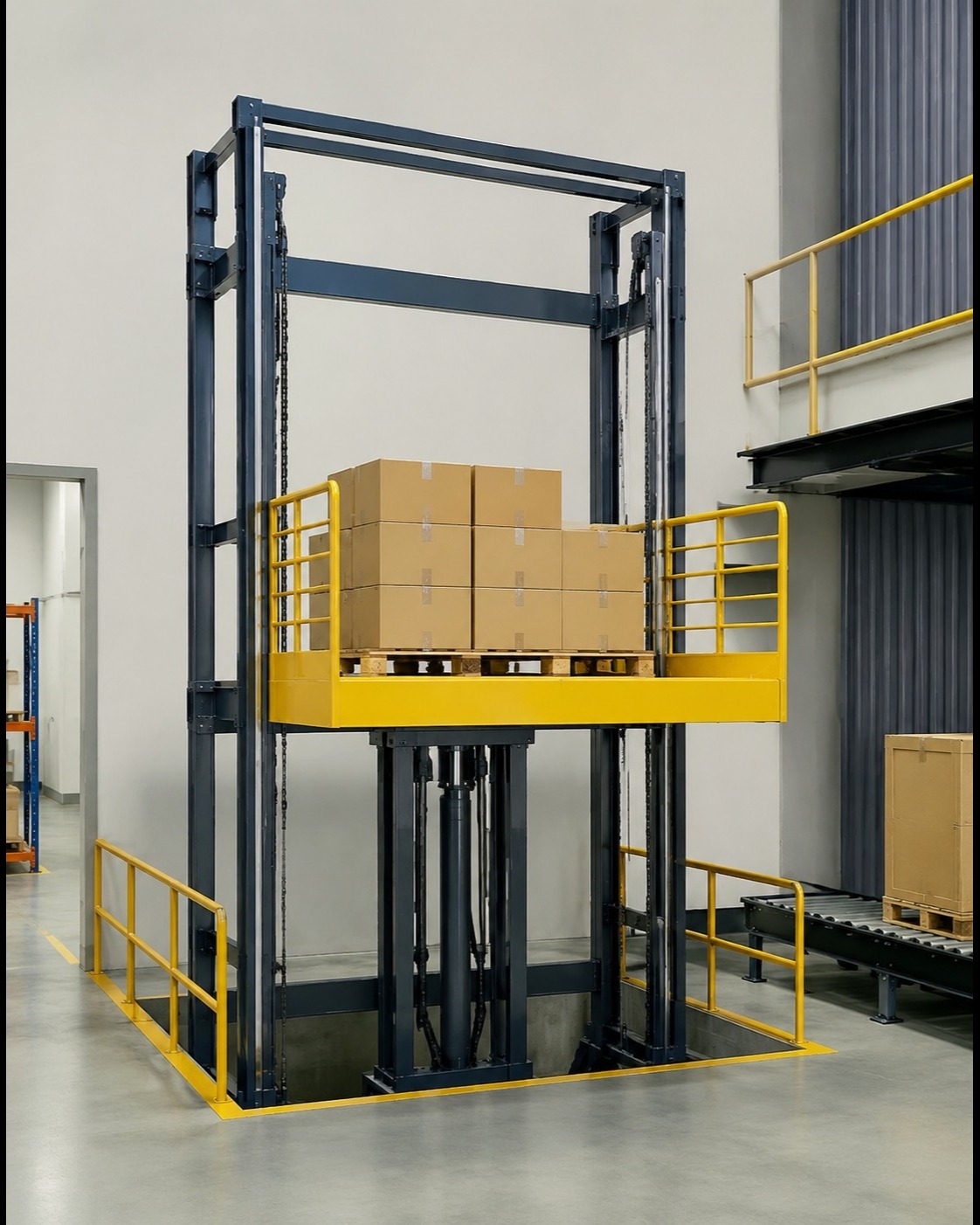
Vertical material movement can solve a major workflow challenge when different levels are connected effectively, but the lifting mechanism is only one part of the overall transfer.
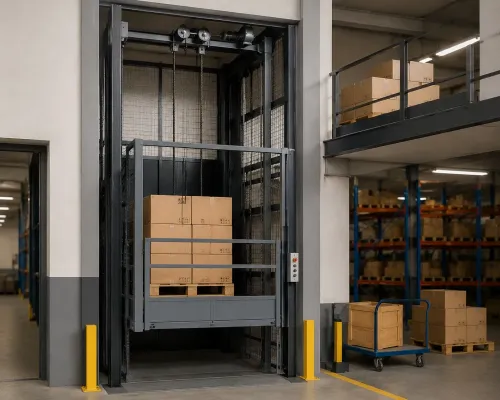
A Hydraulic Goods Lift uses hydraulic power to raise and lower materials. Its practical suitability depends on load characteristics, platform requirements, lifting height and operating frequency.
The loading process should be considered alongside the rated capacity. The dimensions and shape of the goods determine how they can be positioned, while the method used to bring them onto the platform influences the efficiency of the transfer.
The destination matters just as much. After reaching another level, goods may need to enter storage, production or another handling stage. The lift should connect naturally with that next movement.
Frequency provides another useful decision factor. Occasional transfers may have relatively straightforward requirements, while repeated vertical movement places greater importance on access, workflow continuity and operating patterns.
Businesses should also examine the number of manual handovers in the current process. If the vertical transfer is part of several repeated movements, improving its position within the route can be as important as the lifting function itself.
This process-led evaluation provides a stronger foundation for procurement than comparing lifting capacity in isolation.
For facilities reviewing multilevel material transfer, Forcelift Material Movements can help assess application-specific requirements in Bengaluru.