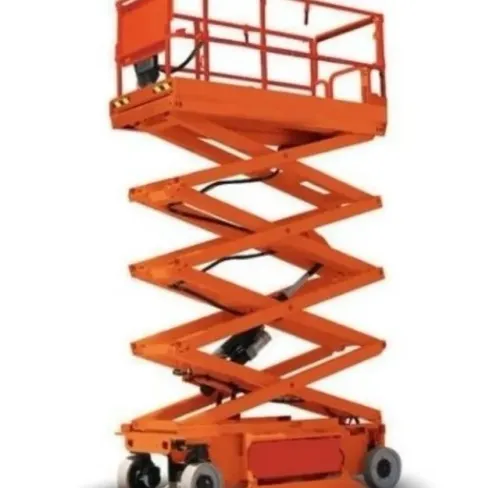

Vertical movement becomes more effective when the lifting point is planned around the complete material route rather than treated as an isolated operation.
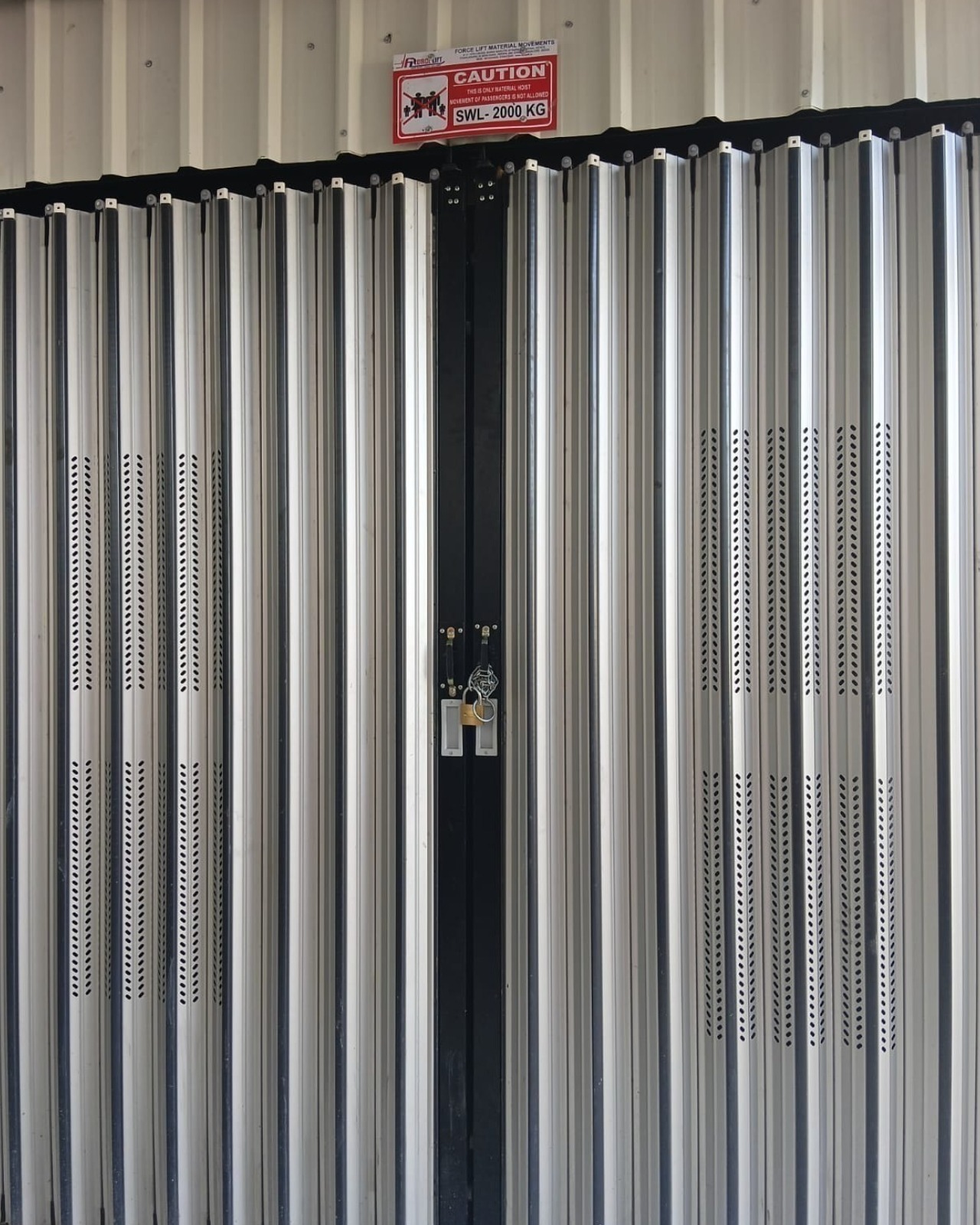
A Rope Hoist Goods lift uses a rope-hoisting arrangement to raise and lower suitable goods between designated levels. Its application depends on load characteristics, travel height, loading method, frequency and installation conditions.
Procurement should begin by mapping the route. Identify the loading location, destination and the activity that follows the lift. This can reveal whether vertical transportation will actually remove a bottleneck.
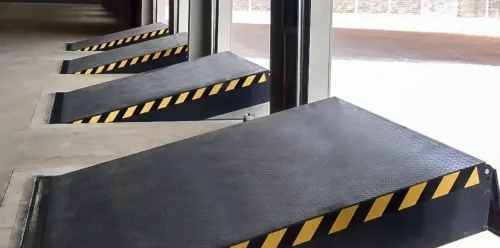
Loading access deserves equal attention. Materials need enough room for positioning and transfer at each level without interfering with surrounding operations.
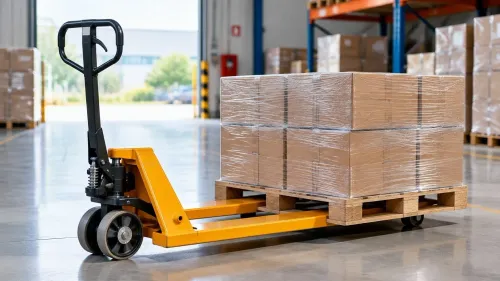
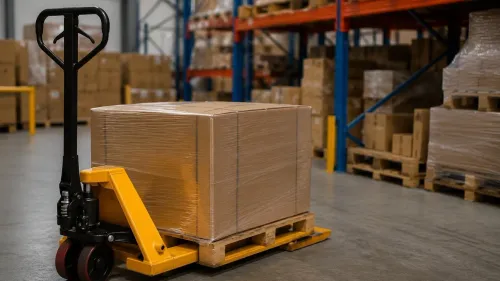
The relationship with horizontal equipment is also important. A vertical lift may handle elevation while pallet trucks, trolleys or stackers manage movement before and after the transfer.
Belgaum's industrial environment includes engineering, foundry, hydraulic and manufacturing activities, where materials can pass through several stages before reaching storage or dispatch.
Different processes therefore require different vertical-handling priorities. Some may involve occasional movement between floors, while others may depend on frequent transfers.
Maintenance access should also be considered during planning. Inspection and servicing need to remain practical without unnecessarily disrupting the workflow.
The best solution connects loading, elevation and downstream movement into one coherent process.
For organisations evaluating multi-level handling across Belgaum, Forcelift Material Movements can help assess the lifting route and application requirements.