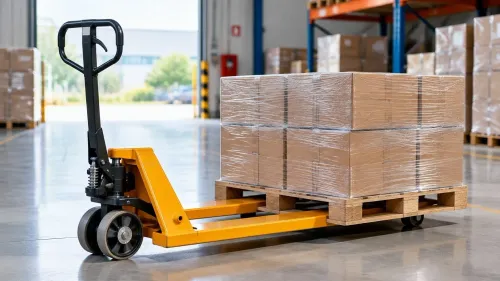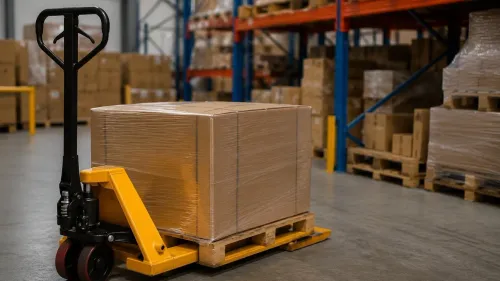

Manual lifting equipment can provide a straightforward solution when the workload, storage height and movement frequency remain within manageable limits.
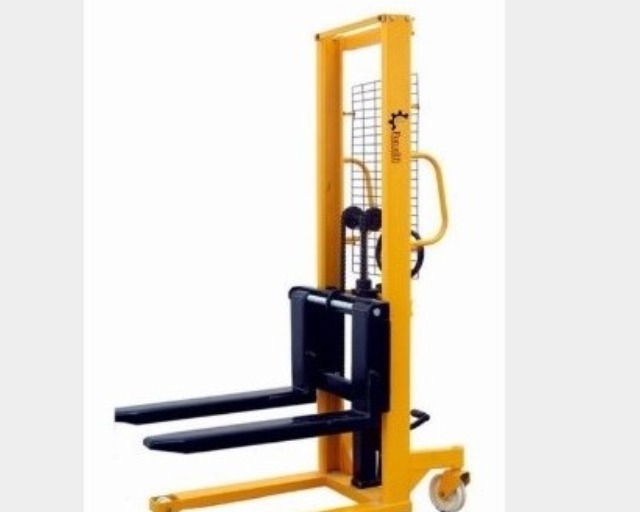
A Manual stacker is designed for lifting and positioning suitable palletised loads without relying on powered travel. Its suitability depends on load characteristics, lifting height, pallet dimensions, floor conditions and operating frequency.
Procurement should begin by examining the actual storage task. Determine whether pallets are being lifted occasionally or repeatedly, how high they need to be positioned and how much manoeuvring space is available.
The physical layout can influence usability as much as rated capacity. Tight aisles, restricted turning areas and closely positioned storage locations may affect how comfortably the equipment can operate.
Belgaum provides an especially relevant industrial context because its economy includes engineering, foundries, hydraulics, machine tools, aerospace-related manufacturing and other industrial activities. These environments can involve different combinations of components, raw materials and finished goods.
A manual approach may be appropriate where movement is controlled and lifting frequency remains moderate. If repetitive handling becomes a significant operational burden, businesses can then compare powered alternatives.
The decision should therefore be based on the real workload rather than the assumption that more technology is automatically better.
A good procurement process considers the material, route, lifting height, frequency and storage arrangement together.
For businesses evaluating practical pallet stacking across Belgaum, Forcelift Material Movements can help match the equipment approach to the actual operating requirement.